Coronavirus and schools: everything you need to know - plus how to talk to children about the health crisis
When huge global health crises hit the headlines, it's only normal to experience a bit of anxiety.
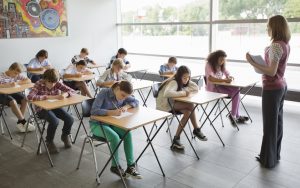
But if your children do catch wind of the coronavirus news, it’s easy to imagine how scary it might be for them to hear about. Hearing about scary, seemingly unending world events can be overwhelming for our kids, particularly if they aren’t able to fully comprehend what it means.
As parents, we’re there to guide and support them through these kind of things. But when it comes to worldwide health issues, which even we might not fully understand, it can be difficult to explain things in a way that doesn’t scare them. In that case, it can even be tempting to just pretend to them that it’s not happening.
However, it’s always best to be honest with your little ones. Especially as worries over the virus seem to continually be growing and their day-to-day lives might be affected. So here’s what you need to know about schools response to the corona virus, plus how to speak to kids about the current outbreak and how to maintain hygiene – in the most helpful way possible.
When should children not go in to school?
Public Health England (PHE) has updated their advice to schools today. They are still not advising that schools should be shut to stop the spread of the coronavirus.
However, some schools have closed their doors this week at their own discretion. In the case of Trinity Catholic College in Middlesbrough, it was a cautionary measure taken as 36 pupils and 8 members of staff had returned from a skiing trip in Northern Italy after half term.
This more precautionary than PHE’s advice. They suggest that if a child becomes unwell after travelling to a restricted area (which now includes Northern Italy) or has contact with a confirmed case, then they should be self-quarantined for 14 days. In the event of this, you should also call NHS 111 if it’s not an emergency and wait for their advice. If it’s an emergency, call 999 and tell them which country you have returned from
The advice comes due to the fact that there still appears to be little reason to worry about the coronavirus in the UK at the moment. Dr Jonas Nilsen told GoodtoKnow, “Coronavirus is not currently spreading in the UK and the risk for citizens in the UK is very small. So closing down a whole school based on a suspected case seems very drastic.’
Credit: Getty Images
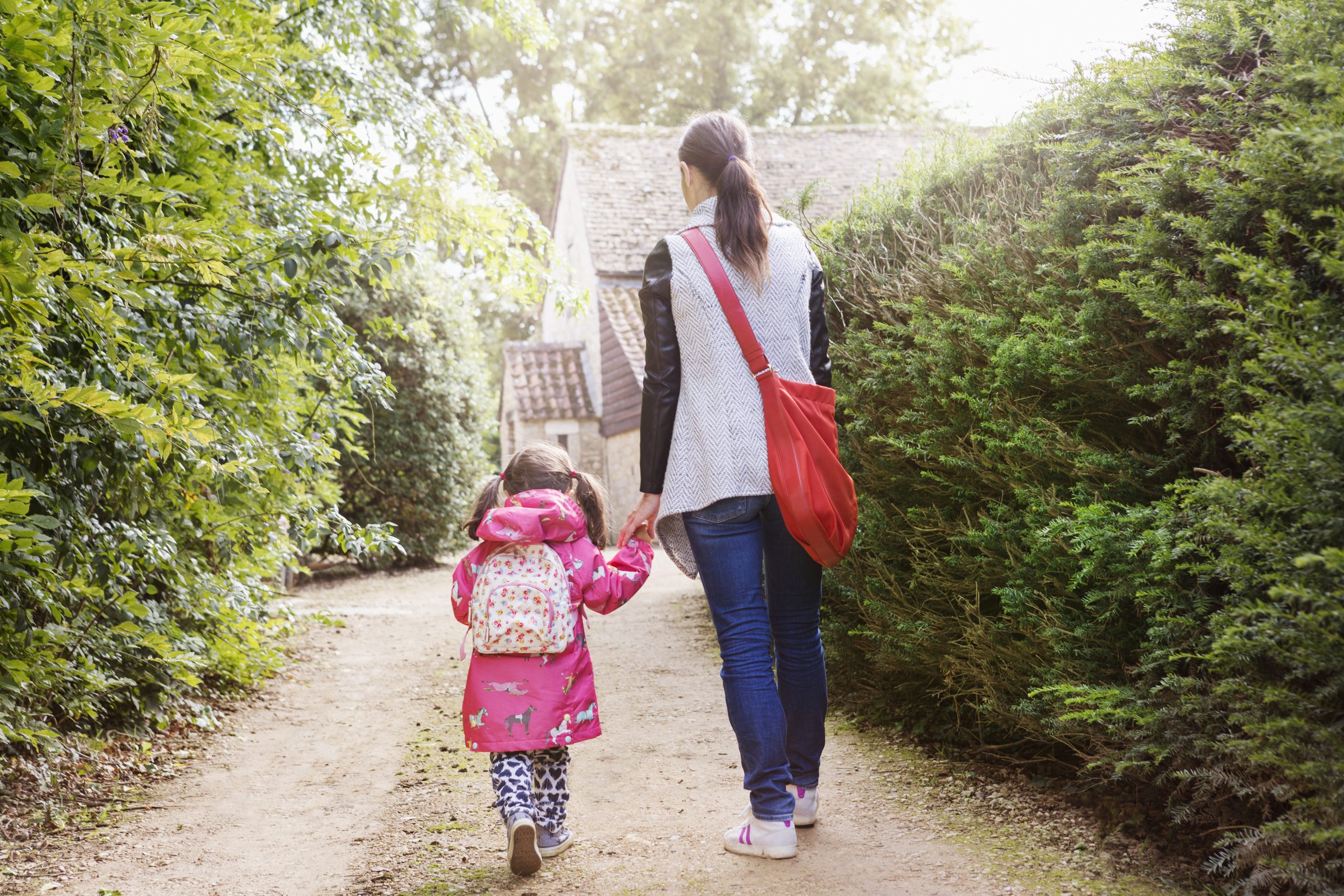
Dr Nilsen emphasises, “In general, you should keep your children off of school if they have a fever or if they have an infection that can be passed on to others such as chickenpox.
“If your child has a minor cough or cold, it’s completely okay to send them to school, but you should encourage them to throw away any used tissues and wash their hands often.”
How to teach children the importance of hygiene in the midst of the coronavirus
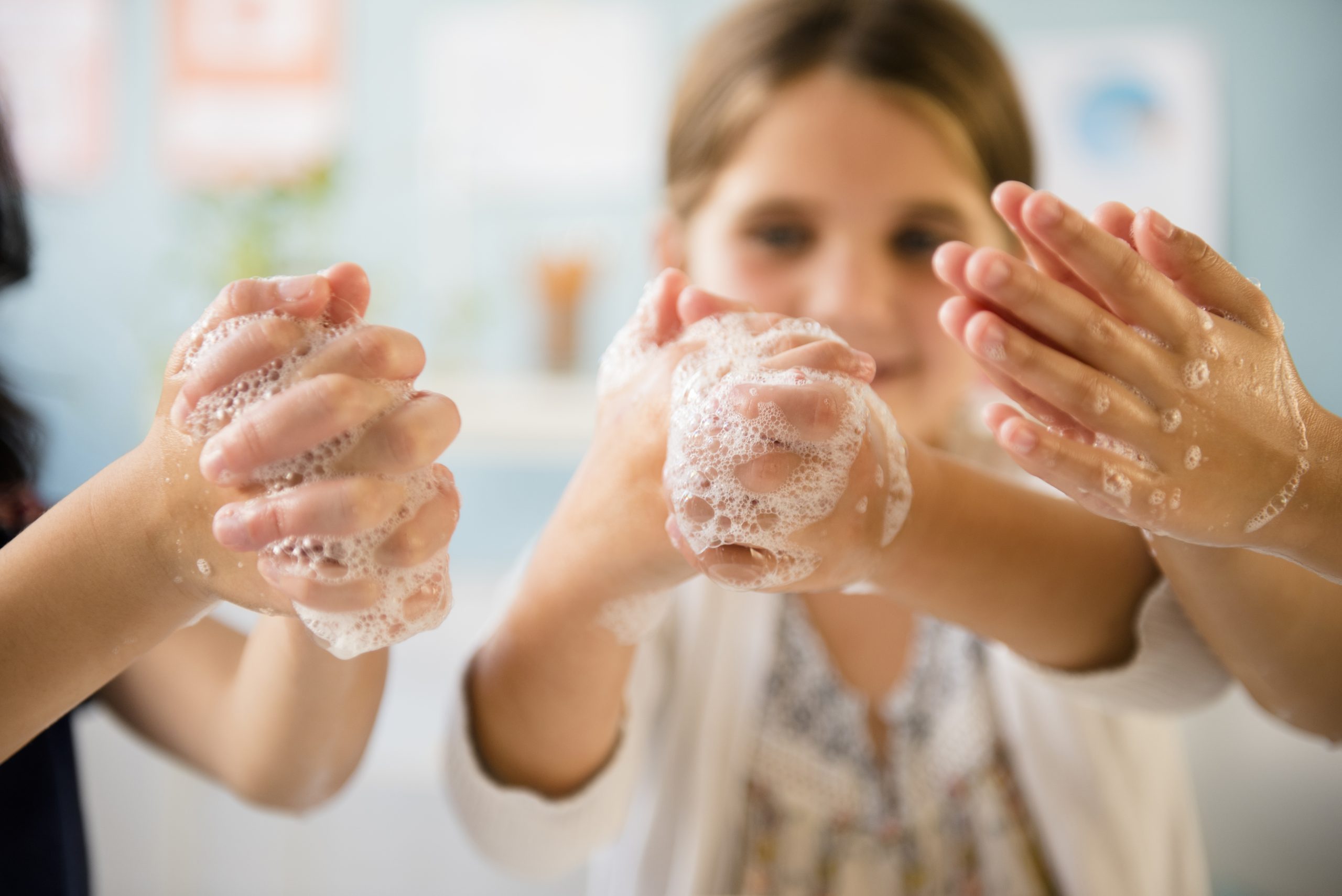
The main advice for minimising the risk of coronavirus infection, for children and adults, is similar to that of any other virus. Dr Daniel Atkinson, GP Clinical Lead at Treated.com, explained that schools can be a breeding ground for illnesses – even without the coronavirus. “Illnesses and viruses spread easily in schools, so teaching children the importance of hygiene is important. Showing children how to adequately wash their hands for at least 20 seconds is key, and repeating this so it sticks in the child’s mind,” he said. “Keeping this habit when away from the home will help children to protect themselves from illness like coronavirus, when parents cannot be with them.”
WHO has advised that washing your hands frequently, using soap and water, is an important way to stop the spread. It’s an important lesson to teach your children – in the midst of the coronavirus outbreak and beyond – that handwashing after playing outside, before eating, or after they’ve coughed or sneezed is a good habit to maintain.
Credit: Getty Images
Dr Atkinson told GoodtoKnow, “Giving your child hand sanitiser gel can help to protect them too. But it’s worth bearing in mind that they shouldn’t rub their eyes immediately after applying sanitiser nor use it for anything else except hand-sanitising. For example, ingesting hand sanitiser can be extremely harmful.”
The organisation has also suggested maintaining a distance from people who are coughing and sneezing, and although it’s important your children know not to isolate anyone, it’s good general hygiene practise.
Perhaps let your child know that it’s okay to turn their head away when someone may be coughing or sneezing – especially if it’s another child, who might not know to cover their mouth while they do so.
MORE: Hand washing video: are you washing your hands properly
It’s also an idea to try and encourage your kids to not touch their eyes, nose and mouth too much, Dr Jonas warns – as the virus can be spread via the hands from infected surfaces.
How to speak to your children about coronavirus – without scaring them
Dr Atkinson has reassured parents that while the news might seem terrifying, it’s important to remember yourself, and remind your children, that it might not be as dramatic as it may sound.
But when it comes to explaining the subject to children, it’s important to not pretend it isn’t happening, given how big the story has become worldwide.
He said, “While the virus spreading rapidly is unsettling, parents should remember that the vast majority of those who have been tested for Coronavirus in the UK have been confirmed to be negative, and of those that have tested positive, most have now fully recovered.”
If your little ones begin to mention the coronavirus, or any worrying illness, Relate counsellor Dee Holmes says it’s important to ask them how they’re feeling. She recommended, “Ask them what they’ve heard about it and what specifically is making them worried.”
And while it may be tempting to pretend that everything is totally fine, and that these kinds of things don’t even exist, it might be better to share the reality with them – in a gentle way. “Avoid telling them that they’re being silly for worrying,” Dee said. “You may think that acknowledging their fears will add fuel to the fire but showing empathy is a really important way of supporting your children.”
Equally, explaining to them that the coronavirus might not be a terrifying as it seems is important. If your kids are school-age, they may well have heard all sorts of myths or exaggerations from their friends or school mates.
“You may think that acknowledging their fears will add fuel to the fire but showing empathy is a really important way of supporting your children.”
Dee told GoodtoKnow, “Once you’ve acknowledged how your child is feeling, let them know the facts about the disease and dispel any myths they may have picked up. For older children you may want to look up the facts together to reassure them.”
However, Dee suggested – “Keep things age appropriate. A six-year-old may not grasp the statistics around coronavirus, whereas a teenager may find these useful.”
How many people in the UK have so far been affected by the coronavirus?
Across the world as of 28th February, 2,859 people have died as a result of the coronavirus. Although, it’s thought that some 83,729 have been infected – meaning that, although tragic, a relatively small proportion of people have suffered fatally.
But in the UK, over 4,500 tests have been carried out on suspected cases. However, only 22 have been found positive, and so far, no one in the UK has died as a result of the virus.
Dr Jonas Nilsen, MD and cofounder of travel vaccination specialist Practio, explained, “Because of these stats, even when a person is suspected of having coronavirus, the chances of tests coming out positive is small.”
Of course it’s natural to want to know how to protect ourselves and our family following the news of the coronavirus, or simply when any kind of illness may rear its ugly head, especially at this time of year.
Symptoms of coronavirus to look out for
According to the World Health Organisation, the main signs of the coronavirus include:
- a high temperature
- a cough
- shortness of breath
- general difficulty breathing
Dr Daniel Atkinson urged, “Parents should familiarise themselves with the symptoms of coronavirus, as some of them are similar to the flu.”
In severe cases, infection from the coronavirus can lead to pneumonia, kidney failure, and severe acute respiratory syndrome.
Normally, older people or those who have pre-existing medical conditions can be at greater risk of suffering complications as a result of the virus. WHO says, “[they] appear to be more vulnerable to becoming severely ill.”
The post Coronavirus and schools: everything you need to know - plus how to talk to children about the health crisis appeared first on GoodtoKnow.
from GoodtoKnow https://ift.tt/2SX02u1
via IFTTT

Comments
Post a Comment